Black Star Canyon Trail
hardA rugged 10-mile canyon hike in the Santa Ana Mountains with a seasonal waterfall, homestead ruins, and rare solitude — one of OC's most atmospheric trails.
Good to Know
- Admission
- Free
- Fees
- Free
- Time to Allow
- 5–7 hours
- Parking
- Roadside pullout on Black Star Canyon Rd; free, no lot
- Best Time
- December through April (waterfall season); avoid June–September heat
- Distance
- 10 miles
- Difficulty
- hard
- Dogs
- ✓ Allowed
Great for
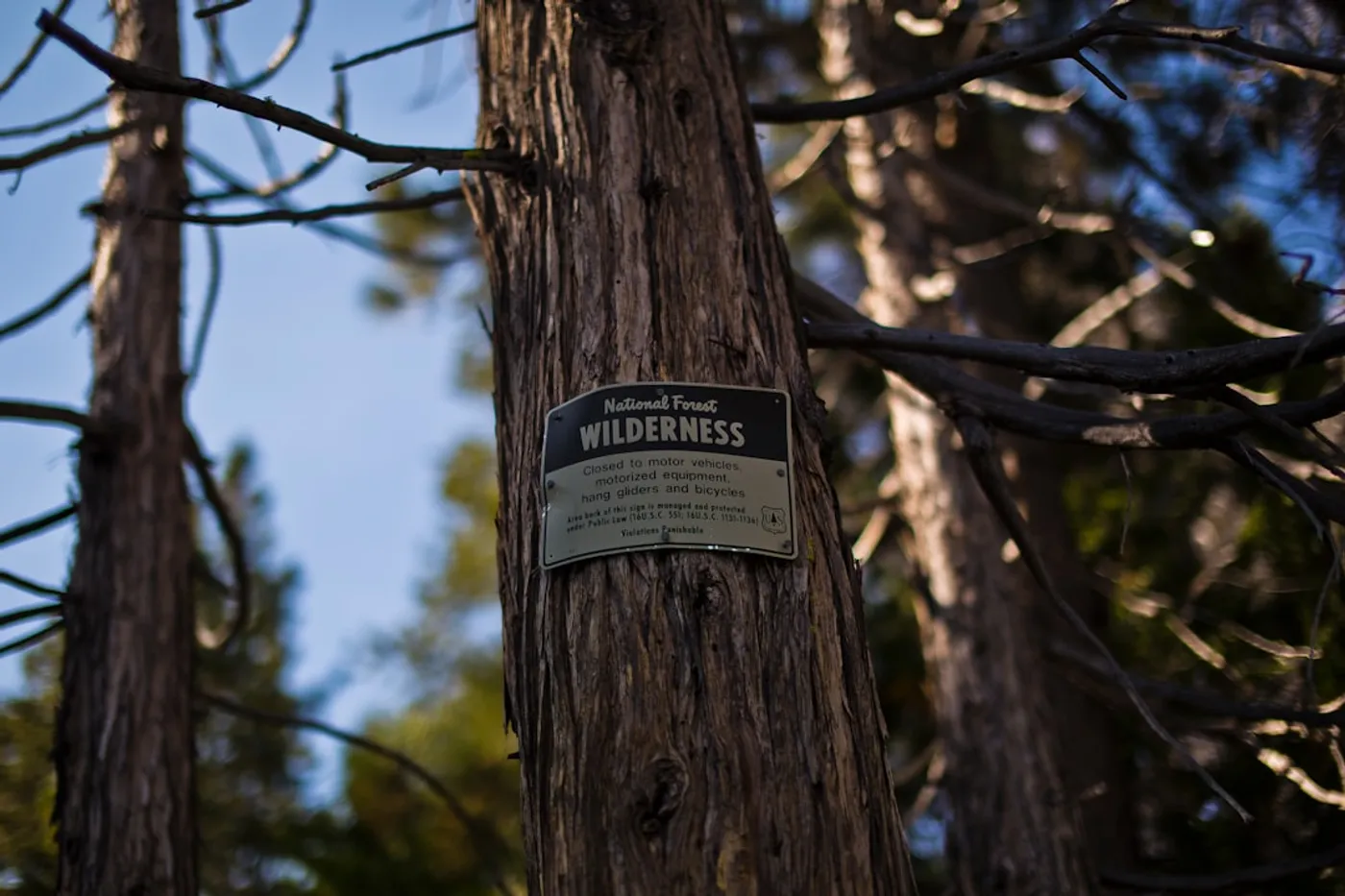
Black Star Canyon earns its standing among serious OC hikers not through elevation theatrics or well-maintained trailhead amenities, but through raw character. The full out-and-back to the upper waterfall runs roughly ten miles with around 1,500 feet of elevation gain — mostly on a rough dirt road and streambed that requires genuine attention — and the approach begins on private land through a public walking easement. There is no trailhead kiosk, no parking lot, and no signage welcoming you in. You park at a roadside pullout on Black Star Canyon Road in the Silverado area, walk around a locked gate, and commit to a canyon that progressively narrows, shades, and quiets as you move inland into the Santa Ana Mountains.
The creek crossings are what define the experience from December through March. After significant rainfall the canyon stream runs strong enough to require a dozen or more crossings before you reach the upper falls — stepping stone to stone or simply accepting wet feet. Waterproof trail shoes are genuinely useful here; standard trail runners work if you’re comfortable getting them wet. By June in most years the creek drops to a trickle and the upper falls become a seep on the cliff face. The best window — when the falls run hard and the canyon walls are green with new growth — is the two or three weeks after a significant rain event in late winter. A wet February following a good storm pattern is the optimal scenario.
Roughly three miles in, the ruins of the old Hidden Ranch homestead appear on a flat section of canyon floor: stone foundation walls, collapsed remnants of outbuildings, and a stand of old orchard trees that still produce in season. It is a natural rest point before the trail steepens toward the upper canyon. The surrounding Santa Ana Mountain chaparral is dense and aromatic — chamise, scrub oak, toyon, sugar bush — and essentially impassable off-trail. This is also rattlesnake habitat; watch where you place your hands and feet on warmer days in spring and fall when snakes move actively across the rocky trail surface. The canyon walls block cell reception within the first mile.
The upper canyon narrows before opening again at the base of the falls. The waterfall itself, when running, drops in two or three tiers down a mossy cliff face — modest in height, significant in context after the distance of the approach. On summer and early fall visits when the falls are dry, the canyon bottom out to the homestead ruins makes a worthwhile shorter trip of about six miles round trip; the geology and plant community are interesting enough without the water as a destination.
This trail does not forgive poor preparation in warm weather. The upper section offers no shade, the stream water is not safe to drink without treatment, and the nearest help is several miles of dirt road away from the trailhead. Bring at least two liters of water per person for the full trip, download the route for offline navigation before leaving, and tell someone your plan and expected return time. The reward is proportional to the demands: Black Star Canyon is the least crowded and most genuinely atmospheric canyon hike in Orange County, a trail where you can go five miles in on a weekday in November and not see another person.